What to Do and See in Northern Vietnam: A Guide to Culture, Cuisine, History & Gentle Adventure
From Hanoi's thousand-year-old streets to the limestone karsts of Halong Bay and the misty rice terraces of Sapa, Northern Vietnam offers an unforgettable blend of culture, cuisine, history, and gentle adventure.

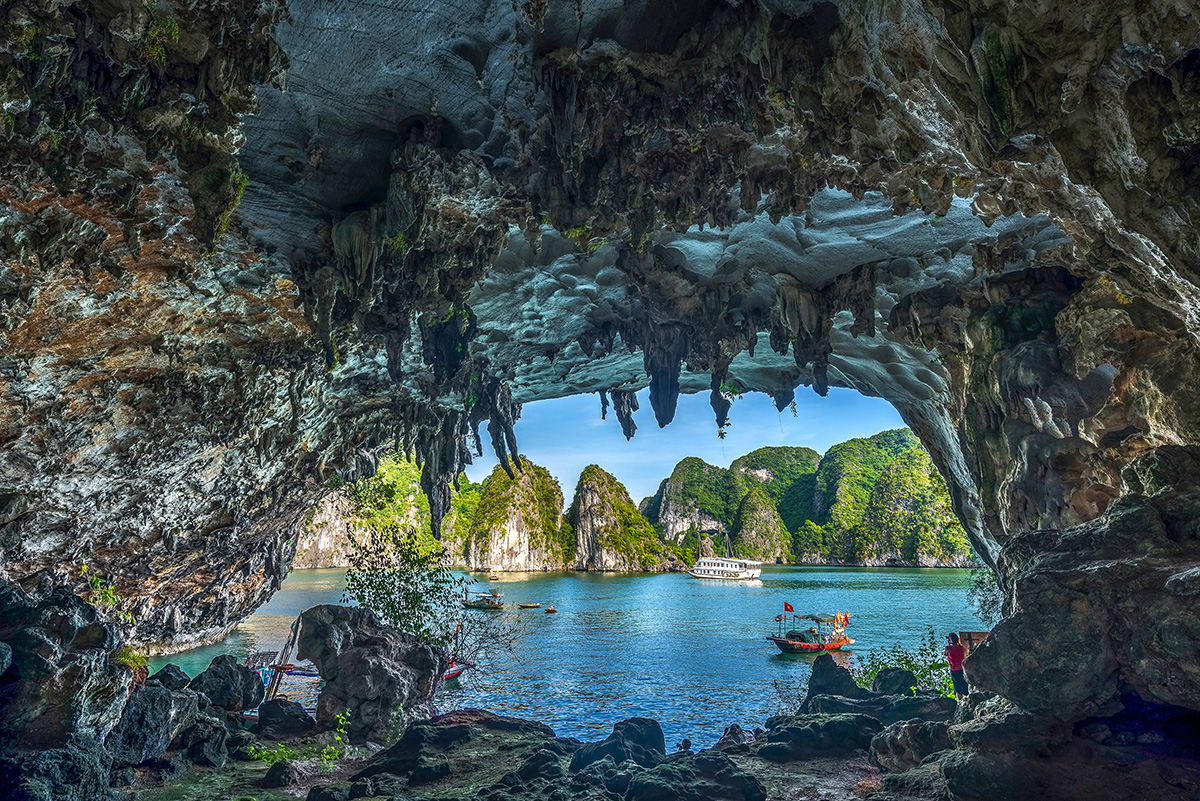
Discover Northern Vietnam's cultural heart, dramatic landscapes, and legendary street food.
Northern Vietnam: Where History Runs Deepest
Northern Vietnam is where the country's history runs deepest, and its landscapes shift the most dramatically, from a thousand-year-old capital to limestone bays and misty mountain terraces. For many travelers, the north represents quintessential Vietnam. It’s not just a place you visit; it’s a place you feel! So here’s our honest, unfiltered take on what to do and see in the North.
The Three Parts of Northern Vietnam
The Red River Delta is the cultural heart. This is where Vietnamese civilization took root over a thousand years ago. Hanoi, the capital, pulses with history and energy. Ninh Binh, just a few hours south, holds the ruins of Vietnam's first imperial capital. This is the region of ancient temples, colonial architecture, and the kind of street food that changes your definition of "delicious".
The Northeast is rugged and raw. Ha Giang, Cao Bang, Quang Ninh (home to Halong Bay). Think dramatic limestone mountains, or waterfalls that crash into emerald pools. This is where you go for adventure, for landscapes that make you forget to breathe.
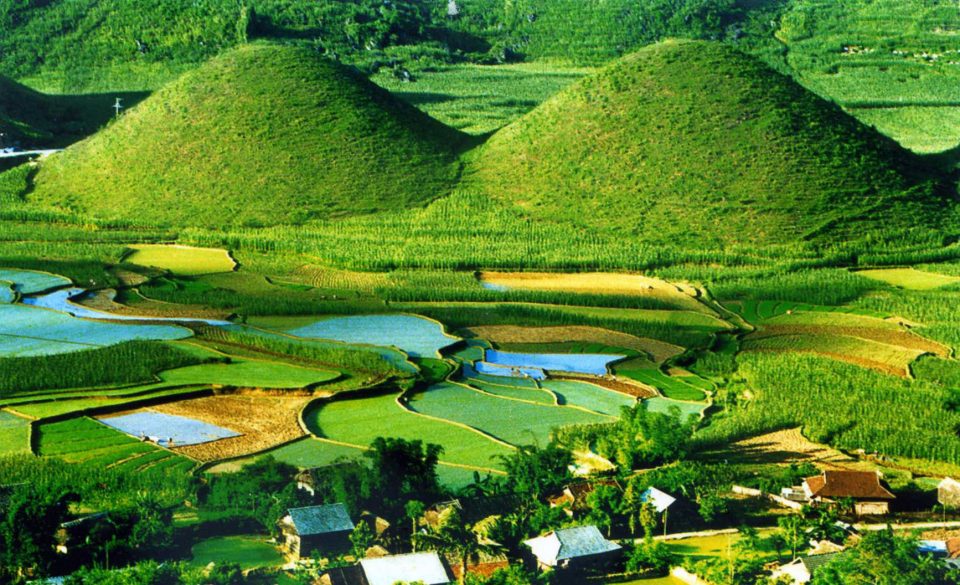
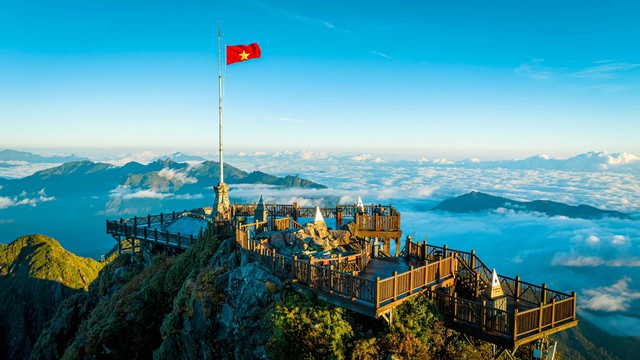
The Northwest is the land of clouds and terraced rice fields. Sapa, Mai Chau, Mu Cang Chai. This is where ethnic minority villages cling to mountainsides, where mist rolls in, and where the rice terraces cascade down slopes in shades of green and gold.
Hanoi: A Capital Layered with History
Let me be straight with you: Hanoi can be overwhelming at first. The traffic alone will make your heart race. Thousands of motorbikes weave through intersections like water finding its way through rocks. But here’s the trick locals know: walk slowly and keep a steady pace. Don’t run, don’t make sudden movements. The bikes will flow around you like a river around a stone.
- Get Lost in the Old Quarter: The historic heart of Hanoi is a maze of 36 ancient streets, each one traditionally dedicated to a specific trade. This is the place to experience the city's vibrant energy. You can browse Dong Xuan Market for local textiles and spices, find hidden temples like Bach Ma Temple, and simply soak in the atmosphere. Grab a bowl of phở from a street stall. The ones with the most people are usually the best.
- Explore Hoan Kiem Lake: The scenic "Lake of the Restored Sword" is the city's spiritual and geographic center. Stroll around its shores, visit the peaceful Ngoc Son Temple located on an island in the lake, and observe the locals practicing tai chi at sunrise. The magic of Hoan Kiem Lake at dusk is something you can’t capture in a photo. Go and feel it by yourself!
- Don’t skip the Water Puppet Theatre. We know it sounds touristy, but this art form dates back to the 11th century and originated in the flooded rice paddies of the Red River Delta. It’s genuinely charming.
- - Dive into History and Culture: Discover Vietnam's complex past at the Hoa Lo Prison (the "Hanoi Hilton"). Marvel at the neo-Gothic architecture of St. Joseph's Cathedral and see a traditional performance at the famous Water Puppet Theatre
- - Eat Like a Local: And then there's the food. Hanoi is arguably Vietnam's street food capital: bun cha (grilled pork with noodles), cha ca (turmeric fish), egg coffee, and endless plastic-stool noodle stalls tucked into alleyways.
Ninh Binh: "Halong Bay on Land"
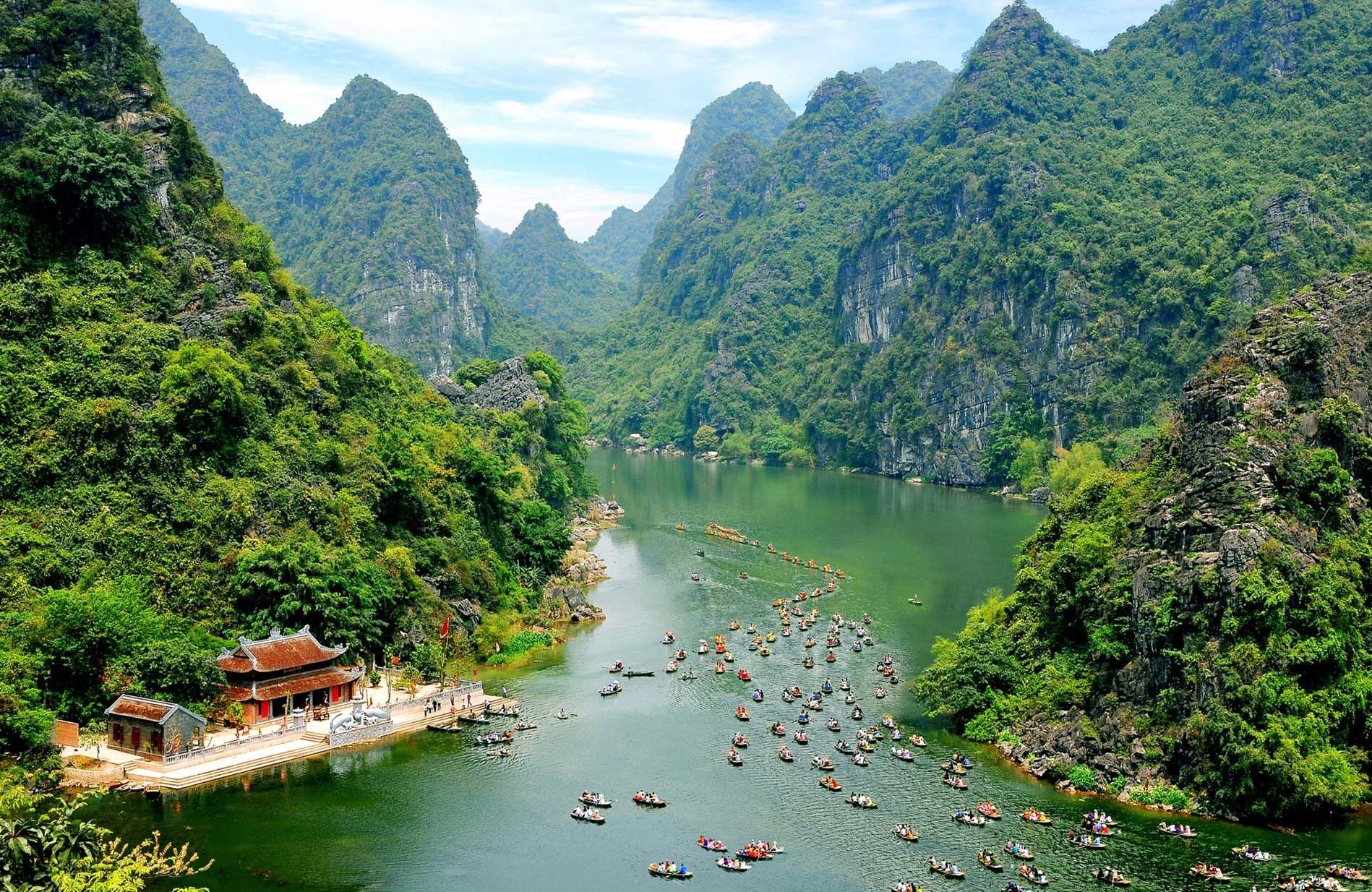
If we had to pick one place in Northern Vietnam that still surprises me every time, it’s Ninh Binh. You might hear it as “Ha Long Bay on land”, and honestly, that’s not an exaggeration. The same limestone karsts, but instead of water, they rise from rice paddies and winding rivers.
- Trang An offers a peaceful rowboat journey through caves and grottoes, past centuries-old pagodas
- Mua Cave rewards a moderate climb (around 500 steps) with one of the best panoramic views in the region
- Hoa Lu, Vietnam's ancient 10th-century capital, holds temples dedicated to the country's earliest kings
Halong Bay & Lan Ha Bay: Karsts Rising from the Sea
No trip to the North is complete without a cruise among the limestone islands. But here’s the thing: Ha Long Bay can get crowded! Really crowded. While Halong Bay itself is world-famous, Lan Ha Bay, part of the same UNESCO seascape but quieter, is often the better choice for a more relaxed experience.
- Set Sail on a Multi-Day Cruise: While a day trip offers a glimpse, a 2-day/1-night or 3-day/2-night cruise is the best way to experience the bay's true magic! You'll have time to witness spectacular sunrises and sunsets over the karsts.
- Kayak Through Hidden Lagoons: Paddle a kayak through the bay's secluded coves, tunnels, and around the base of the towering limestone islands. It’s an intimate way to explore the bay’s hidden corners.
- Explore Mystical Caves: Venture inside the bay's magnificent caves, such as the famous Sung Sot (Surprise) Cave or Thien Cung Cave, to see dramatic chambers filled with stalactites and stalagmites.
- Enjoy Onboard Activities: Modern cruises offer a range of activities, from cooking classes where you learn to make fresh spring rolls, to night-time squid fishing, and morning tai chi sessions on the deck
Sapa & The Northwest Highlands: Mountains and Tribal Cultures
For those seeking dramatic mountain scenery and cultural immersion, a journey into the Northwest Highlands is essential. The town of Sapa is the main hub, offering access to stunning terraced rice fields and villages of ethnic minority groups.
- Cat Cat Village is an easy walk through a H'mong community, with waterfalls and traditional weaving on display
- Gentle treks toward Ta Van and Lao Chai villages wind through the valley on flat-to-moderate trails, suitable for most fitness levels
- A homestay with a local family is one of the most memorable ways to experience the region. You can share a home-cooked meal and hear what daily life looks like in the mountains
- Local markets sell handwoven textiles and produce from surrounding ethnic minority communities
Other Hidden Gems For the More Adventurous
Ha Giang is the ultimate motorbike route through Vietnam’s northernmost province. It’s about 300-350 kilometers of winding mountain roads, jaw-dropping passes, and views that will make you forget to breathe.
The Cao Bang Loop is another incredible alternative. Cao Bang can take you to some of the most remote and beautiful parts of Vietnam. Ban Gioc Waterfall, Vietnam’s largest, sits right on the border with China. It’s still relatively undiscovered.
Home to Vietnam’s largest natural lake, Ba Be is perfect for boat trips and jungle trekking. It’s peaceful, beautiful, and feels like a world away from everything. If you want something quieter, Pu Luong and Mai Chau are a gentle adventure. It offers stunning limestone scenery, lush forests, and authentic homestay experiences without the crowds.
When to Go – A Local’s Honest Take
- From October to November, the weather is crisp, the skies are clear, and the rice harvest paints the terraces gold.
- December to February is dry but can be chilly and overcast, especially in Hanoi and Sapa.
- Avoid July and August if you can because that’s typhoon season in the north, and heavy rains can cause landslides on mountain roads
Why the North Is Worth the Time
Northern Vietnam rewards travellers who want more than a checklist. It's a region built for a slower pace with good food, warm hospitality, and landscapes that shift completely every few hours' drive.
- Pack layers. The weather in Northern Vietnam can change in hours – especially in the mountains.
- Bring cash. Many rural places don’t accept cards.
- Book your cruise in advance during peak season (October to April).
- Learn a few Vietnamese phrases. “Xin chào” (hello) and “Cảm ơn” (thank you) go a long way.
- Be patient with traffic. Walk steadily, don’t run, and the bikes will flow around you.
Quick answers
What is the best time to visit Northern Vietnam?
October to November offers crisp weather, clear skies, and golden rice terraces. March to May is also lovely with warm, sunny conditions. Avoid July and August – that's typhoon season.
How many days do I need for Northern Vietnam?
For a comprehensive experience covering Hanoi, Halong Bay, Ninh Binh, and Sapa, we recommend 10 to 14 days. This allows for a relaxed pace without feeling rushed.
What should I pack for Northern Vietnam?
Layers are essential – weather can change quickly, especially in the mountains. Bring sturdy walking shoes, sunscreen, insect repellent, a rain jacket, and warm layers for Sapa.
Continue Reading